
What’s Growing? An Update
It’s been some time since we’ve updated, so let’s call this the catch-up post.
As many of you are aware, we’ve been gardening in private gardens for a few years, and have been looking for a private space for the community group for some time.
We settled on a community allotment space, and didn’t realise just how many community groups there are in Waltham Forest until we had a few visits to ours, which is amazing as that means residents in each area can easily get to their closest community space. We shouldn’t be surprised as some of our members do volunteer across many of them and we also have sent trays of plants for plant sales. Not thinking straight are we?
Allotment gardening is very different but rewarding at the same time
Gardening at an allotment is a completely different experience, and having a community around makes all the difference. It takes a lot of hard work on a different level, but there are also those quieter days where we can finally relax, enjoy the space, share food, and appreciate everything we’ve achieved together.
Our previous site had its challenges, particularly around accessibility, so we’ve made the decision to move. Yes, it’s such a huge decision after all the effort we put into clearing the space, but it’s been a valuable lesson in community gardening. It really highlights how helpful it is to have a mentor, someone experienced who can point out the pros and cons of a space (or any big decision, really). Sometimes, though, the best lessons are the ones you learn the hard way. A huge thank you to everyone who’s supported us so far. 🌱
We’ll be hosting events with food, bushcraft, carpentry, and cooking, and we’d love for you to join us, even if only for the food, as a small thank you from us. The new space is much better suited to what we do, and we think you’ll see that when you visit.
In an ideal world, we’d love a space with separate sections: one for older children and another for under-5s (safety first!), as well as dedicated areas for men’s and women’s workshops running at the same time (for those familiar with the South Asian community, this setup tends to work best and would help bring more people from BAME backgrounds into food growing). We’ll see how things develop with the spaces we were shown today. Much of the decision-making will be based on that. Most importantly, we want a safe, contained area for children so they can’t wander off to other plots. Watch this space, we do think of the bigger picture, but we have to work around the allotment environment. There’s a lot that goes on behind the scenes and it does take a lot of time and effort.
What about the seeds?
On the growing side of things, we got off to a late start with planting this year. A lack of bright windowsills or greenhouse meant delays. But that’s exactly why we’re doing this together: to learn, grow, and figure things out as a community. Maybe one day we’ll even build that greenhouse together! We’re starting from scratch and growing every step of the way, together.
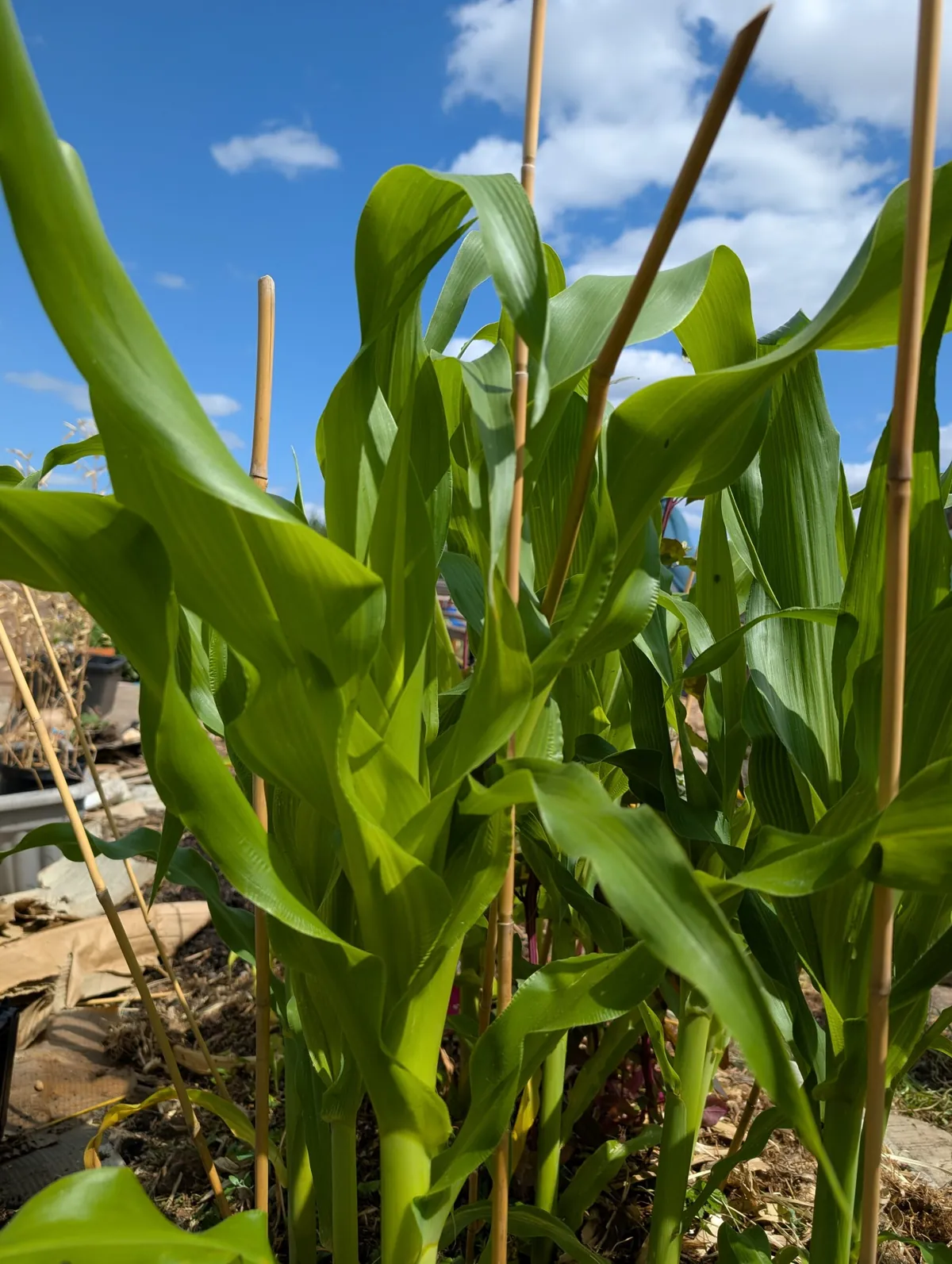
Sweetcorn
These were 10cm tall, and now over a metre. Looking pretty healthy!
We are so excited for the cobs to appear. BBQ time?
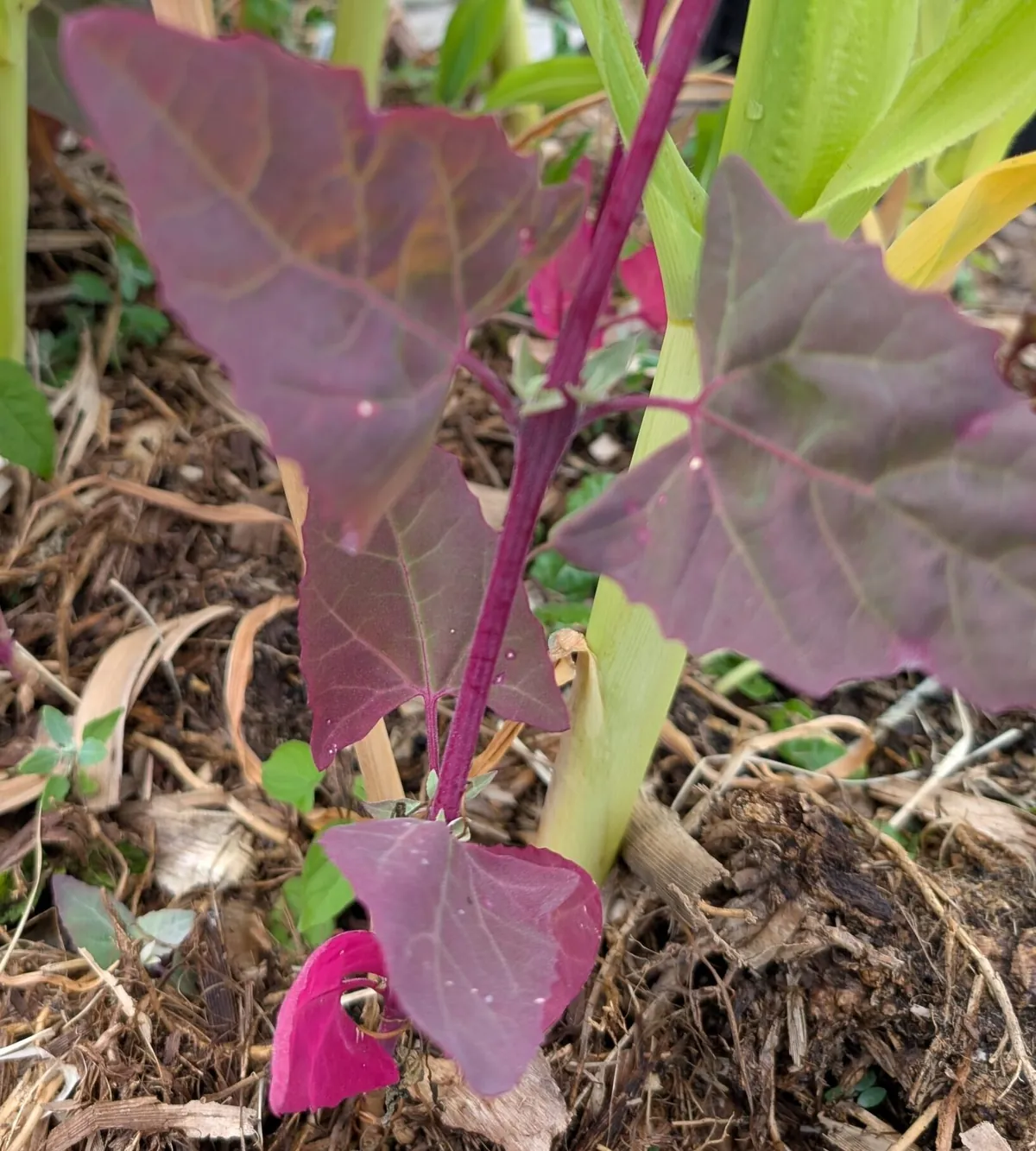
Red Spinach
Yes this does have a proper name, but we’d like you to name it in the comments!
This plant is beautiful. The colour cannot be captured with a simple phone camera. It has bright pink, as well as maroonish leaves. Some people grow it for decoration.
This is a plant we’ve never seen before but so many allotment plots have it. How do you eat yours?
Strawberries
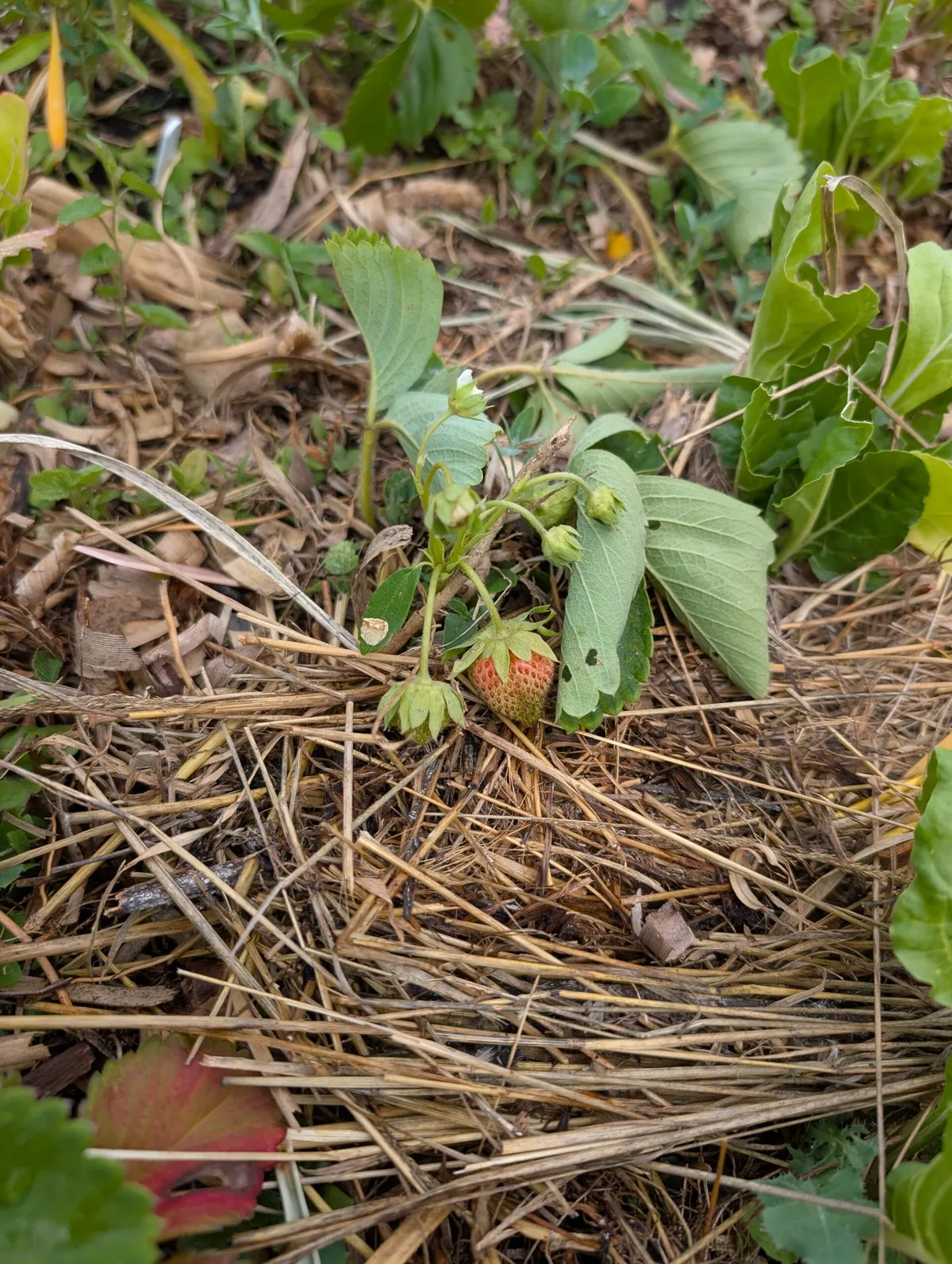
As you know, we not only learn about growing food, but also money management. This is a huge part of the way we run the club. As we’ve had so many expenses this year, our current balance is zero, or even minus. For this reason, we are not able to purchase straw or strulch to put around the strawberries, often used to prevent slugs eating everything.
On the other hand, we have lots of bits from cutting down pampas grass. This plant needs pruning yearly or it gets huge. There are bits that come off the bottom half which looks like it can be used as mulch. Has anyone tried it? Will we be the first? We’re all about learning and trying different things, experimenting, using what we have first before buying.
Not only did we mulch the strawberries but also around the sweetcorn, rhubarb, gooseberries, tomatoes, cucumbers, beetroot and many other plants. We’ll let you know how we get on with this.
(Yes the strawberries are looking a bit sad but it was very hot and we were waiting to water in cooler temperatures later on in the day. The other strawberries look good but no fruit to take a picture of to demonstrate the mulching).
Lettuce
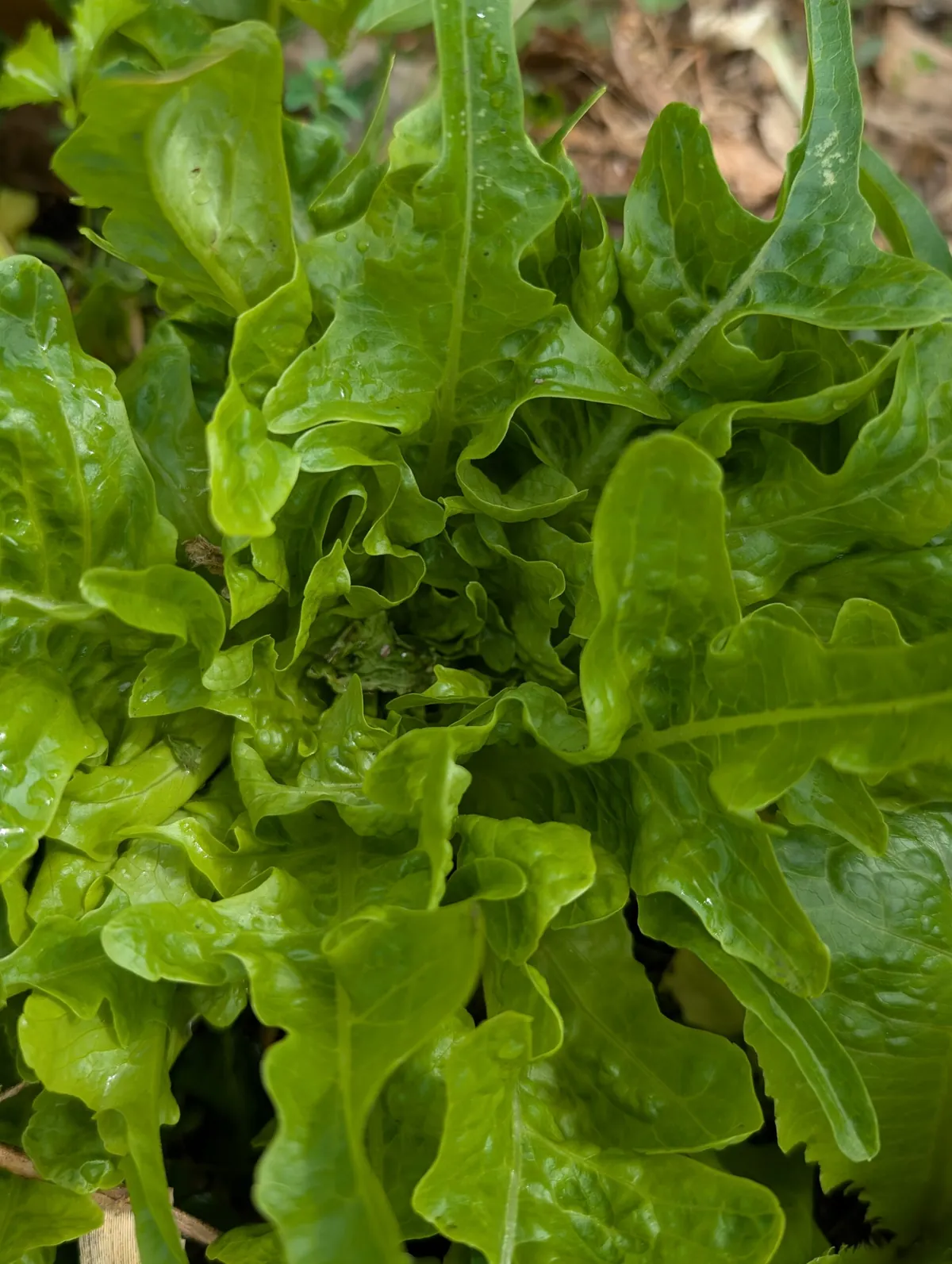
OrganicLea are known for growing several varieties of lettuce. We received a few varieties, and planted them. The weather that week was incredibly hot, and the plants were teeny tiny. How will they survive? We don’t have any shade on our plot (this is another story, shade needed!) Forget surviving, these thrived and grew into full sized lettuce plants. One of them has these really cool shaped leaves. Planted them in such a tight area, and we’re surprised at how much they grew. They grew though! They didn’t stop growing. Really gardening is full of wonderful surprises and resilience.
Squash
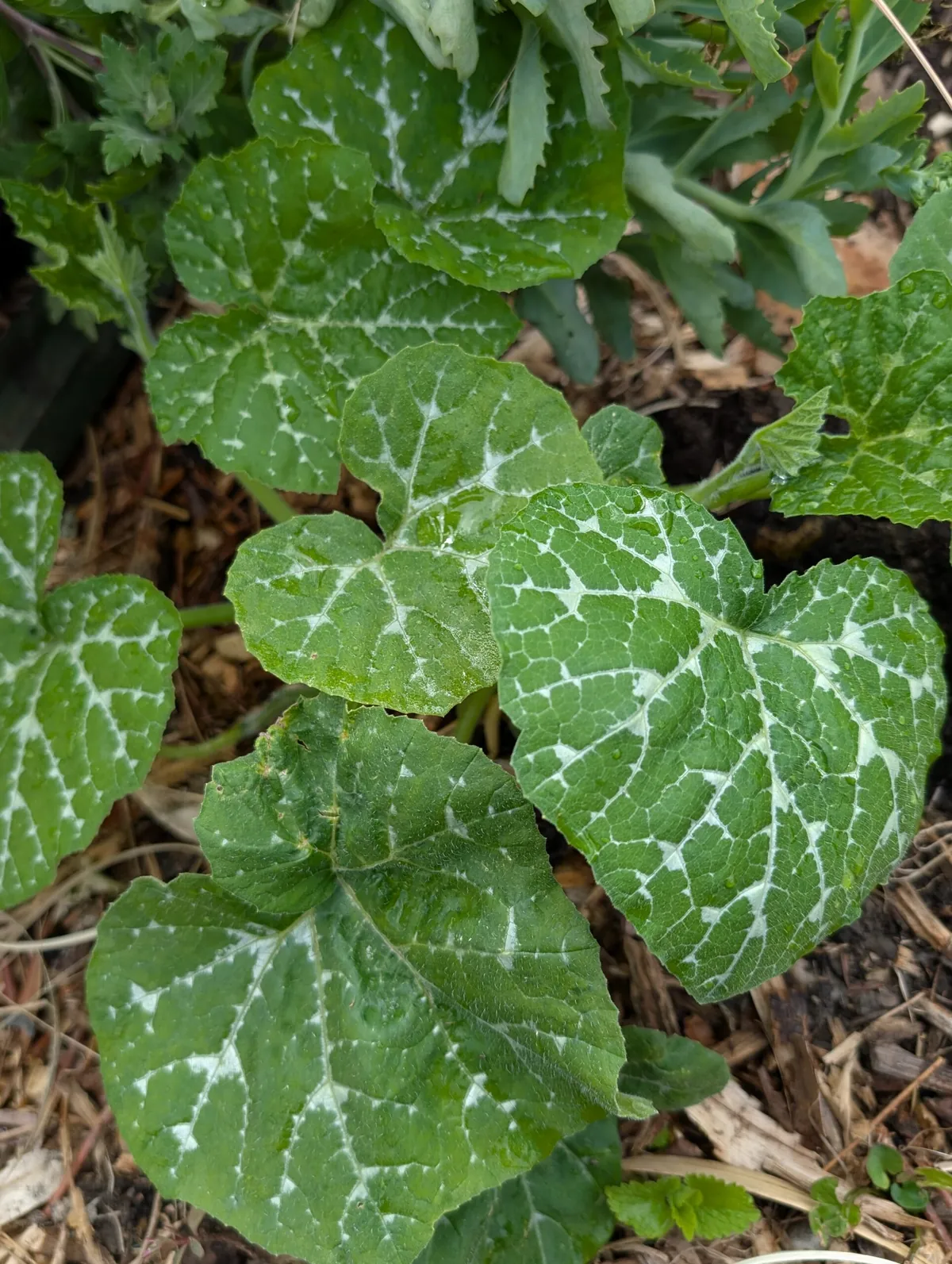
Look at the veins of the squash!
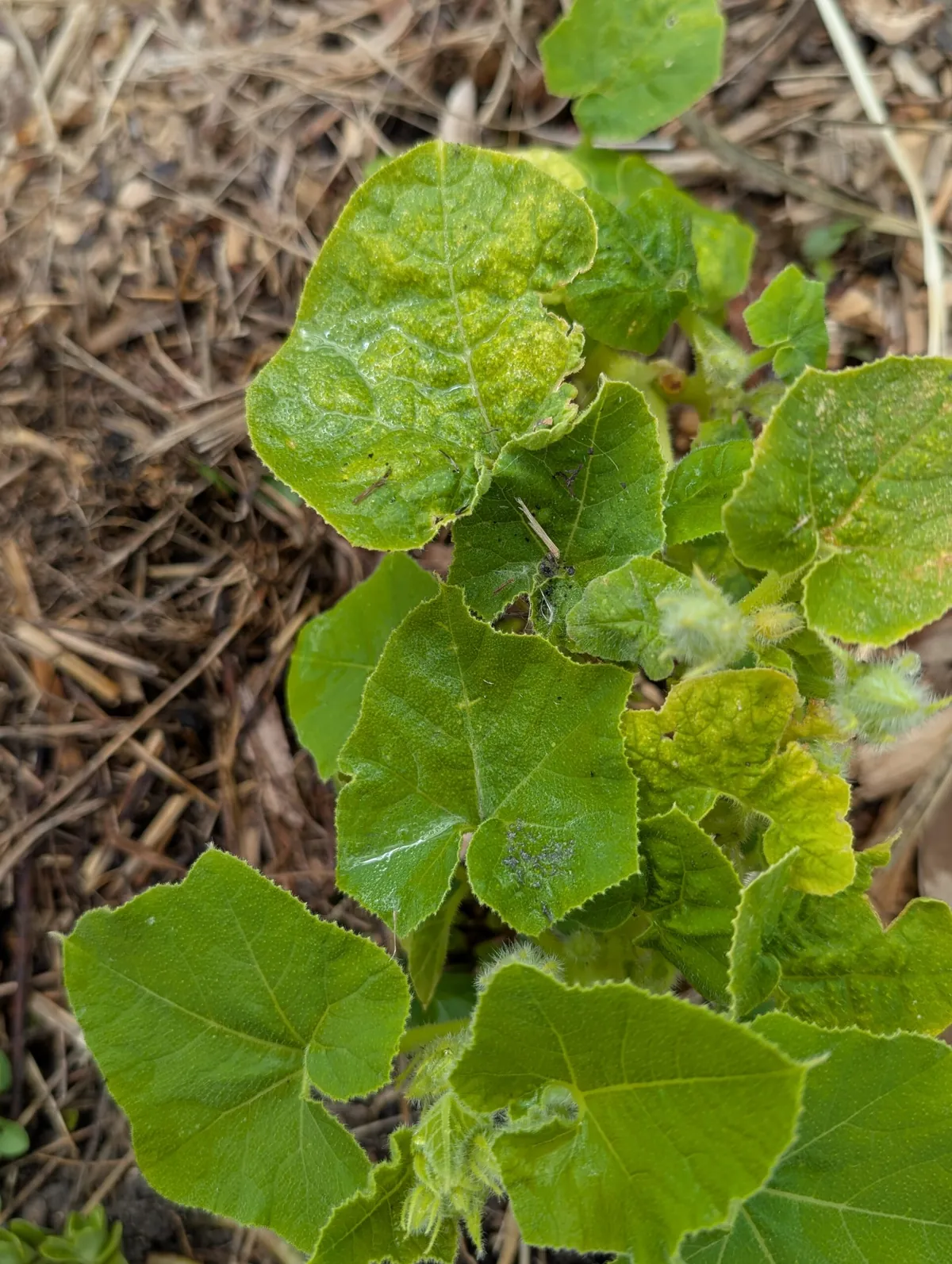
One of the plants looks pretty healthy, the other one looks like it needs a feed.
They both were actually looking really poorly when we had 7 degrees temperature at night at the end of May. We thought we had lost them, and we saw many people online had removed such plants and replaced them. We didn’t have any plants to replace them with, so we decided to hold out. Look how well they’ve done!
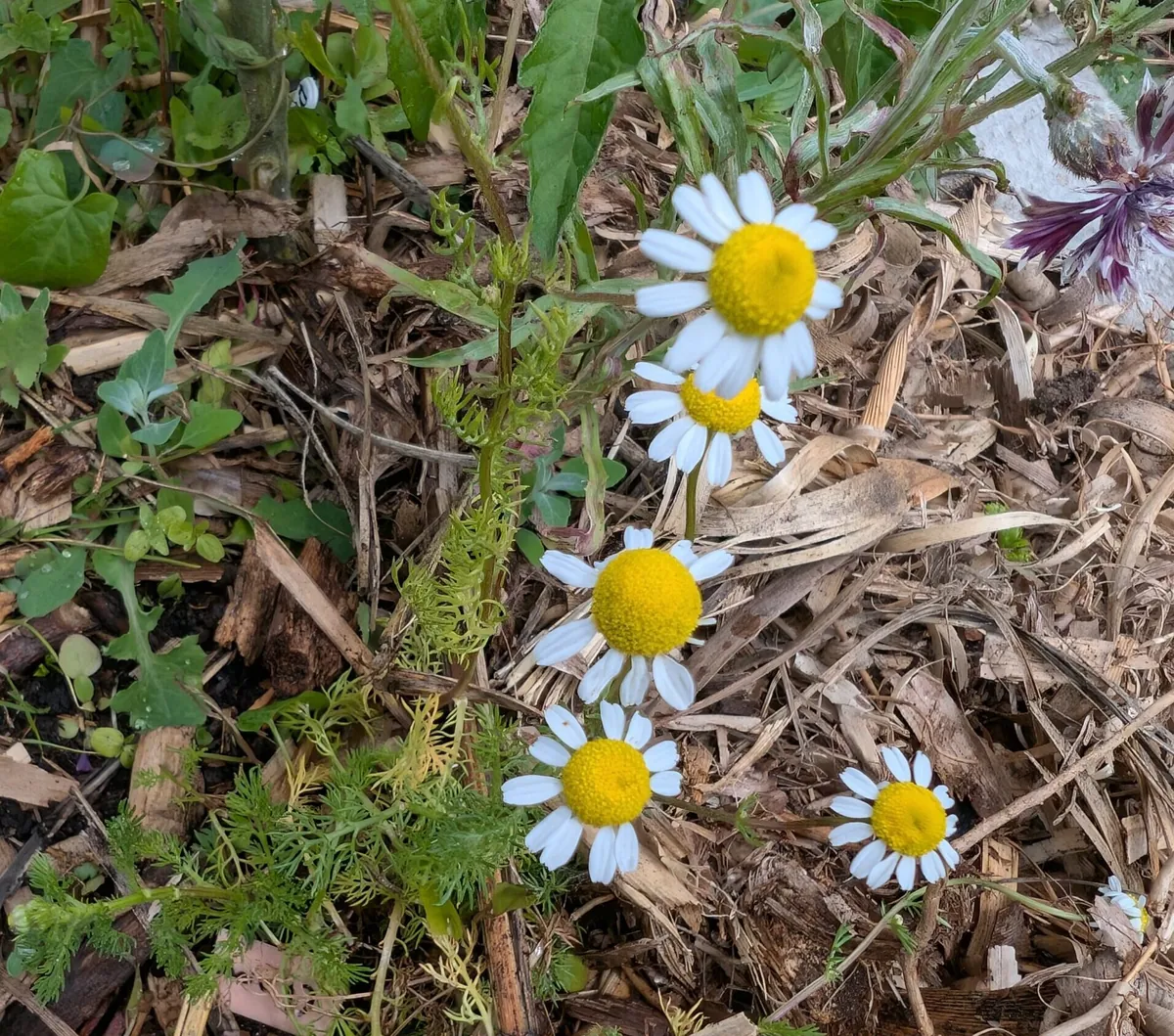
Chamomile
This was a small plant but it’s flowering repeatedly already. We can’t wait for it to expand.
We did plant seeds ourselves but they didn’t germinate. It may have been an old packet from a seed pile.
We can’t wait to make teas!
Chard/Spinach
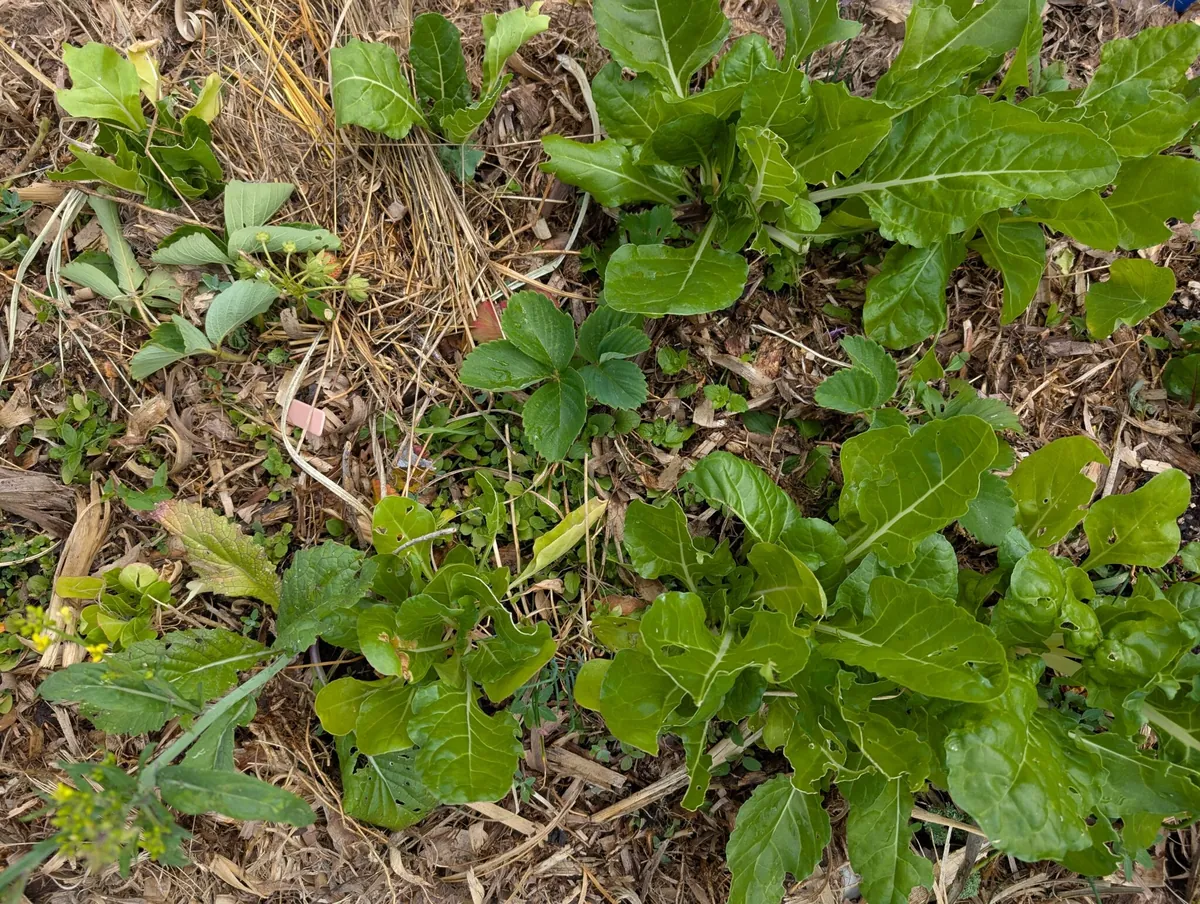
The label is somewhere, hidden amongst the plants but we lined the sides of the strawberries with spinach or chard. Can’t remember which. We just remember having loads of the plant. Spinach we can imagine selecting, but not chard. Nevertheless, it’s there and doesn’t get munched on by any creature.
One of our members harvested it and made pakoras, then distributed it to several residents of Waltham Forest. They were delicious. Chard pakoras anyone?
(Yep! Forgot to take a pic. We asked others, no one took any. Too busy eating. Man they looked good.)
Gooseberry
Our first introduction to gooseberry was several years ago at a pick your own farm place.
At the time we didn’t even realise the world doesn’t just exist of raspberries and strawberries, but there are tayberries and loganberries and a whole variety of delicious fruit to enjoy.
If you have ever lived in a flat with no outdoor space, this is what happens you know. But the reality is even those who have gardens don’t know. They don’t exist in the supermarket or the hungry caterpillar book, so they are out of sight, out of mind.
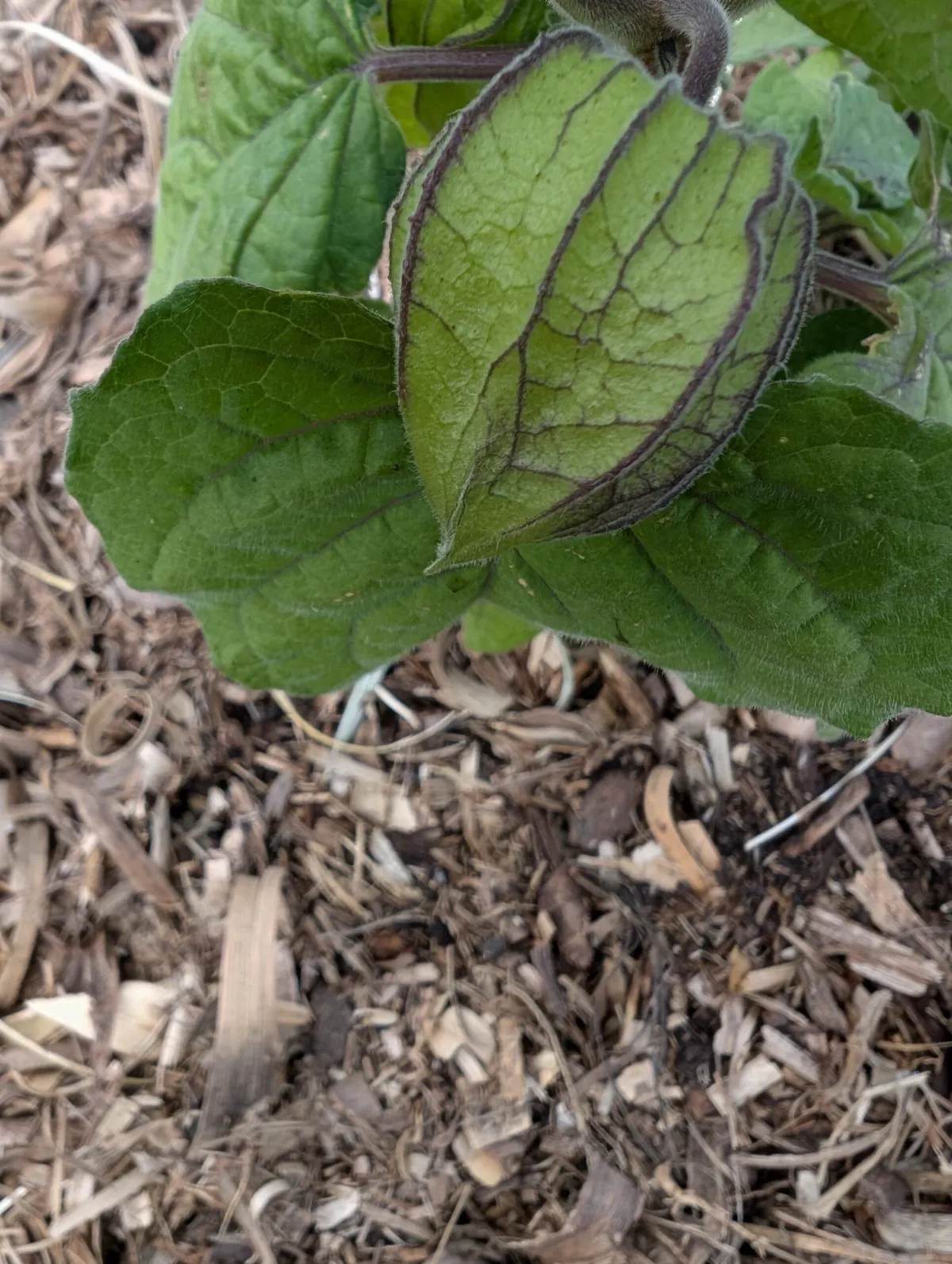
One of them first displayed these yellow and purple flowers. They are so beautiful. Today we spotted this. No idea what it is, but come back to see! And don’t laugh at us if you know already. Okay laugh. It’s just so so stunning!
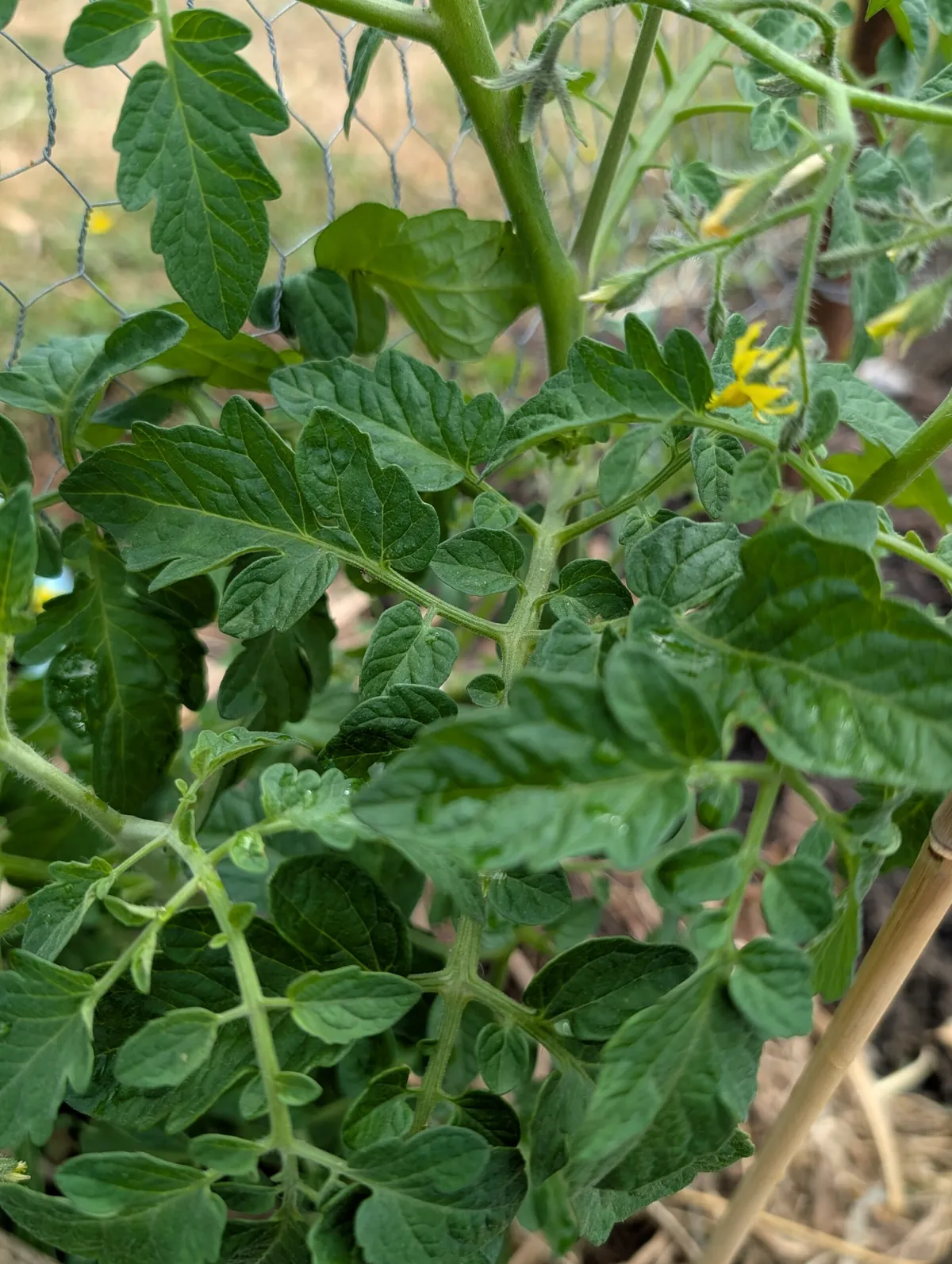
Tomatoes
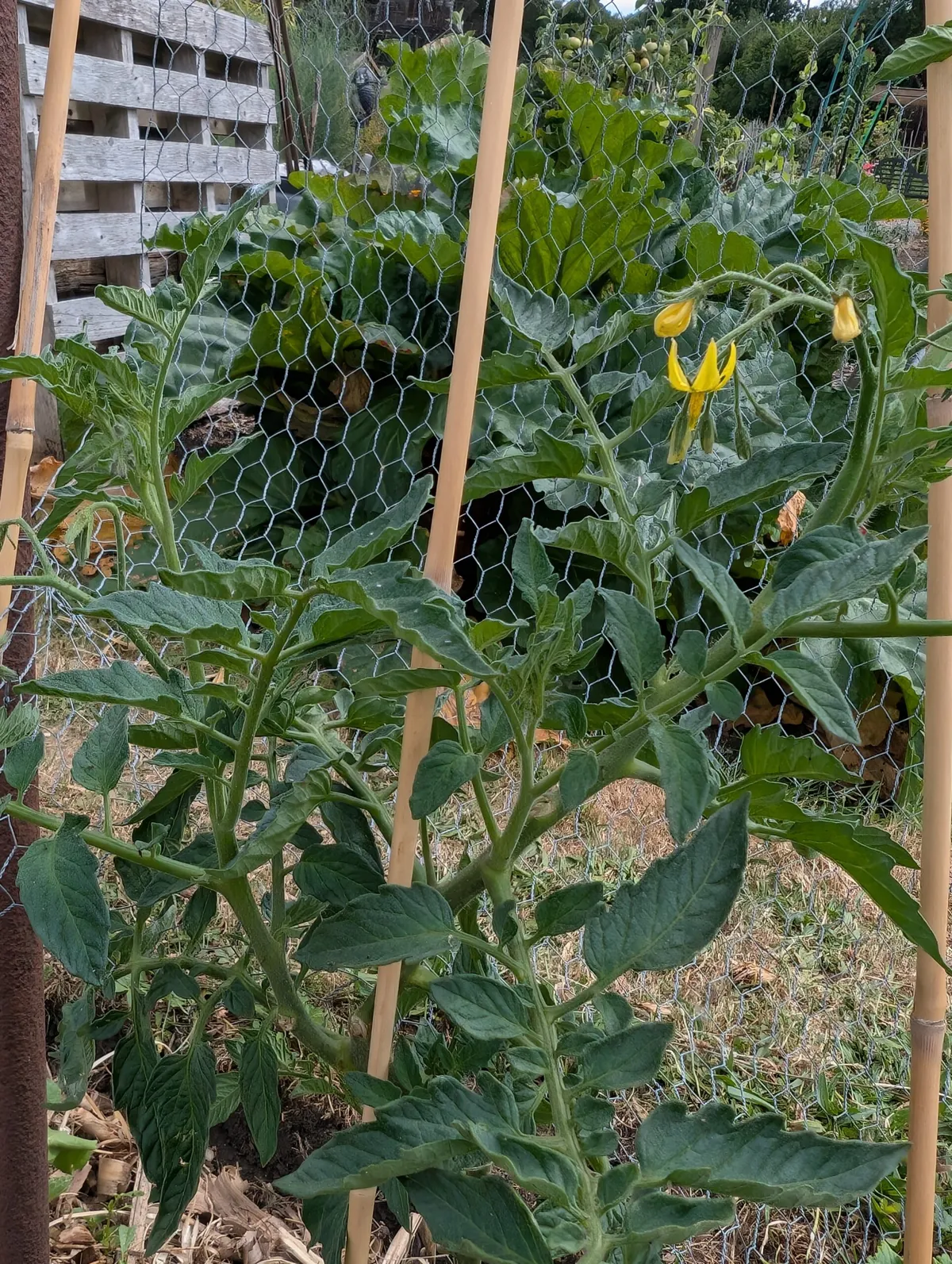
We packed many of the plants along one side of the plot because there is a metal frame there which we thought would be good to attach strings to for the tomatoes and cucumbers to hang onto as they grow.
We had many tiny tomato plants as well as ones in bigger pots. The end of May had very hot weather, then one random night of cold. We didn’t have anything to protect the plants with. We honestly thought we had delayed it enough to miss the colder nights where many lost plants.
So when we came back to the plot, we found some tomatoes looking poorly, but the tiny ones surprisingly stood strong. See, gardening teaches us many lessons. Never doubt the little one.
That’s why we’re so thankful for these plants. We wouldn’t have planted small ones out ourselves, but we had no choice due to the very hot weather and not having any indoor space. What did we find? Success.
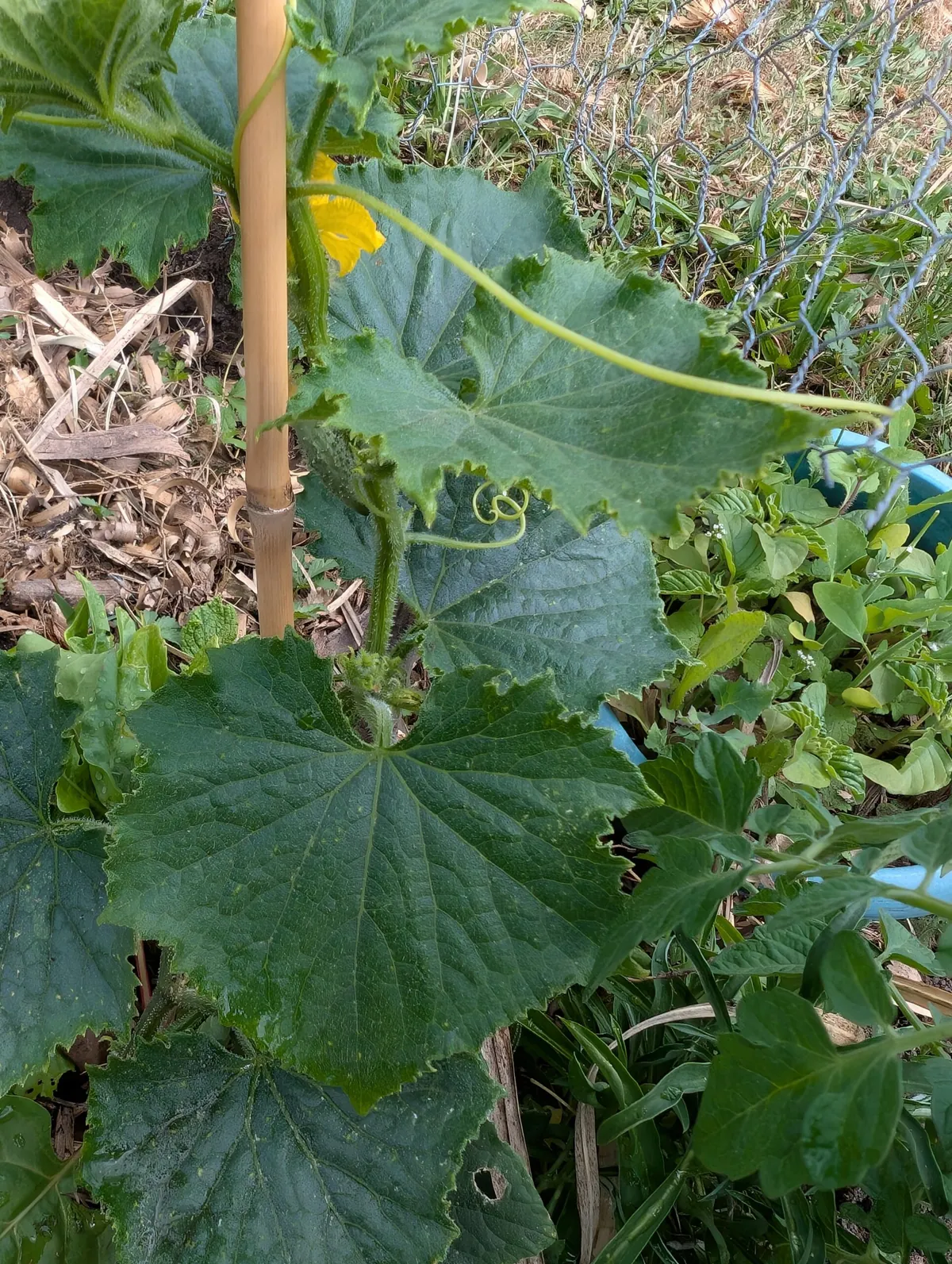
Cucumbers
We eat so many cucumbers. We love them. So how is it that we don’t really grow them?
Once again we had no choice but to plant them out. We don’t have a glasshouse, nor indoor space to store even seedlings, let alone bigger pots.
The one night where the temperature dropped, most of the cucumbers looked pretty sad and we lost them. We didn’t realise at the time that so many experienced growers even struggle with cucumbers but keep trying.
We have found one that has withstood everything and it’s looking really good. This one was planted very tightly amongst other plants we received, so it’s kind of got a blanket/hug and warmth from neighbouring plants. Maybe this helped?
We had also sown our old expired organic seeds outdoors. They didn’t die in the cold night.
Unfortunately when we planted them outside, we weren’t able to return the next day to water them again, which resulted in most of them dying.
We still have two left from our own ones, and maybe a couple hanging onto life at the allotment. We’ll see how it goes.
Lesson: expired seeds doesn’t mean much when it comes to cucumbers. They germinate easily and get a lot of bad press when they’re really such loving things.
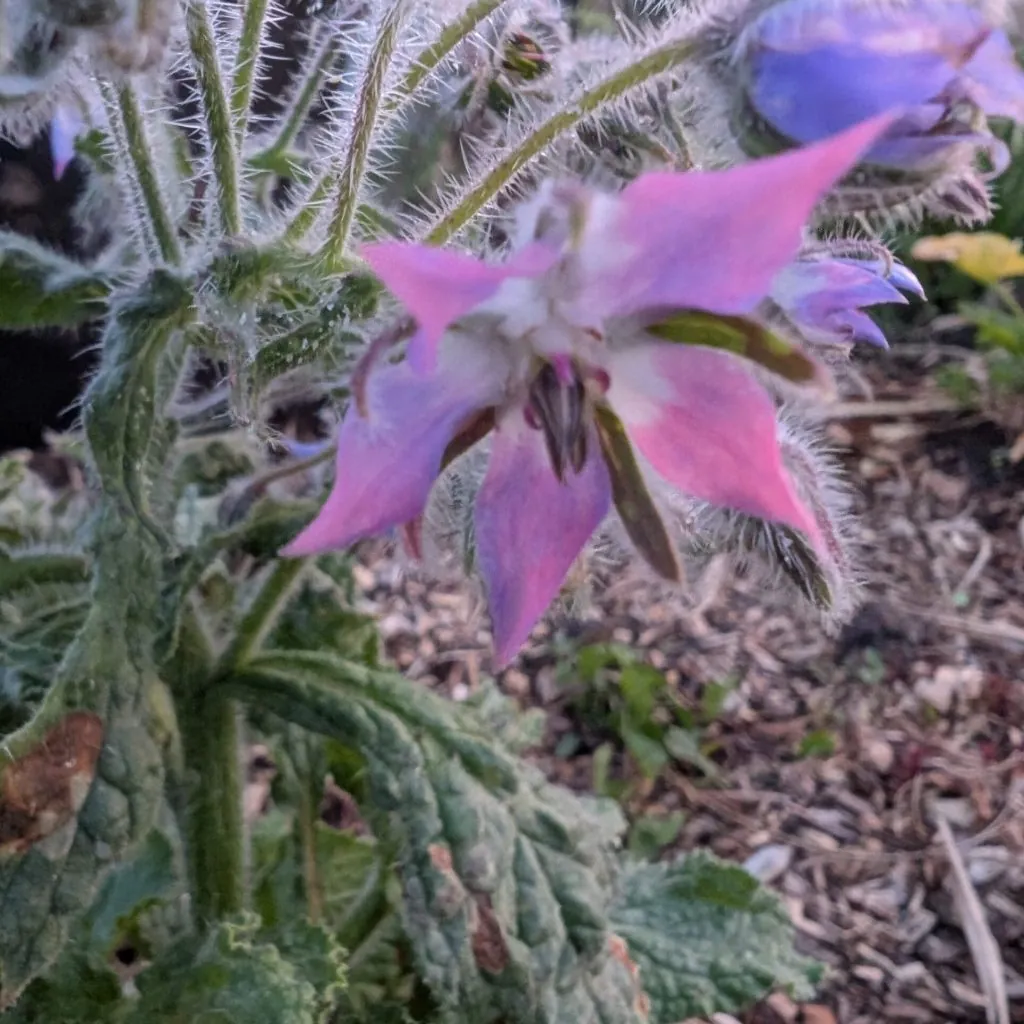
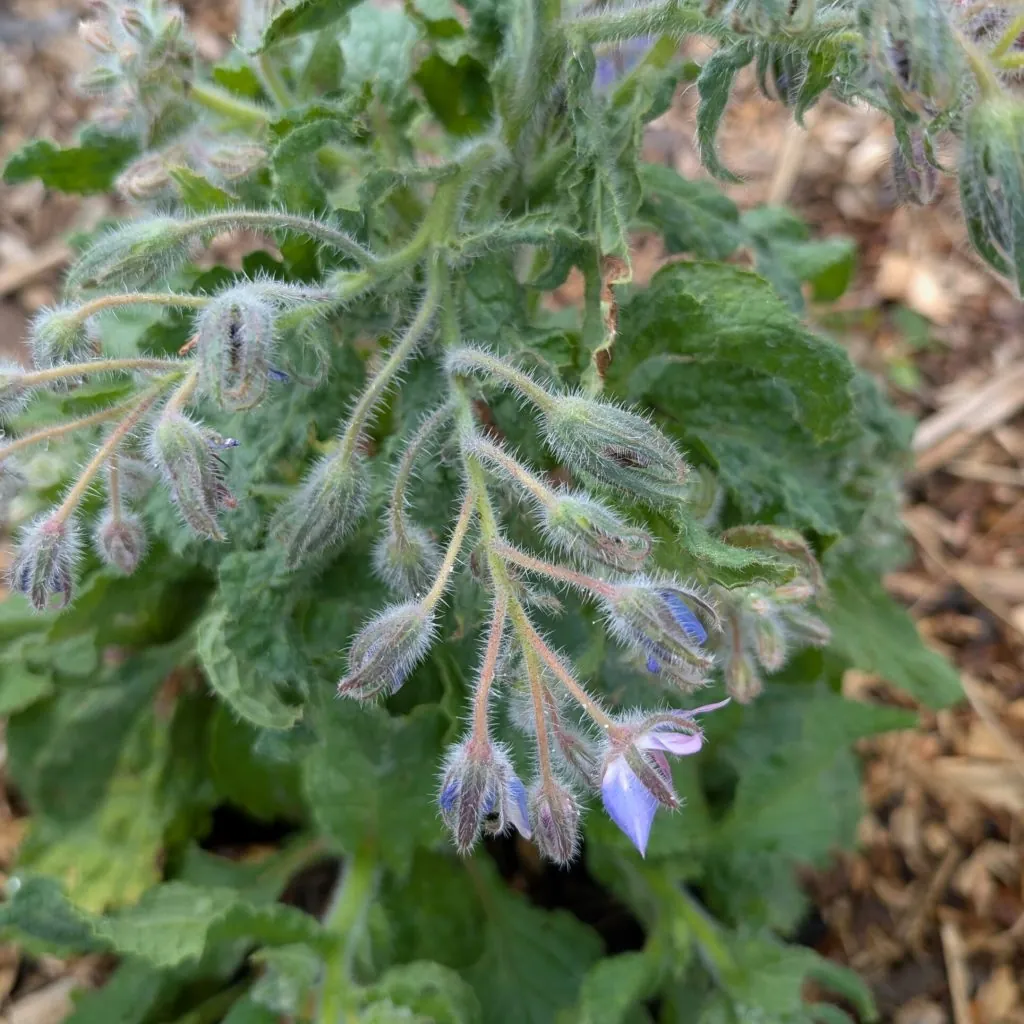
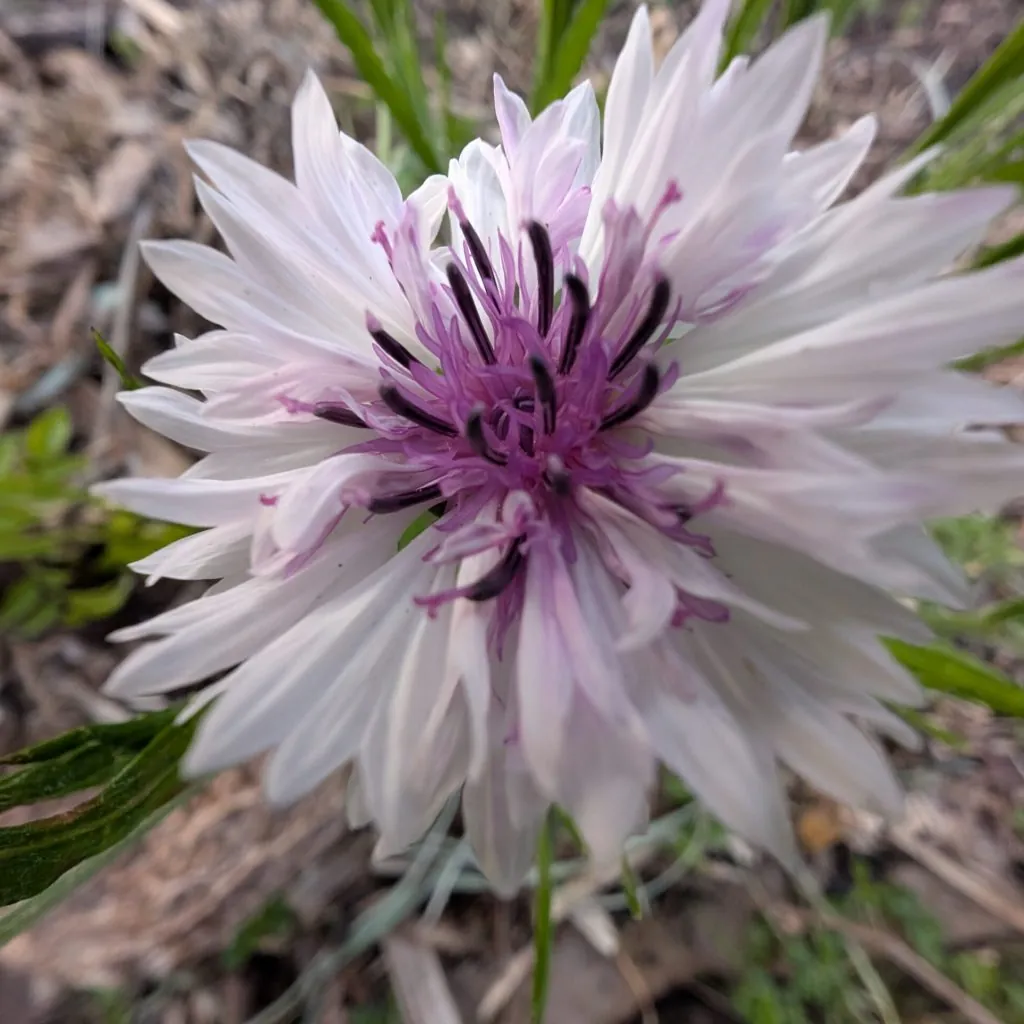
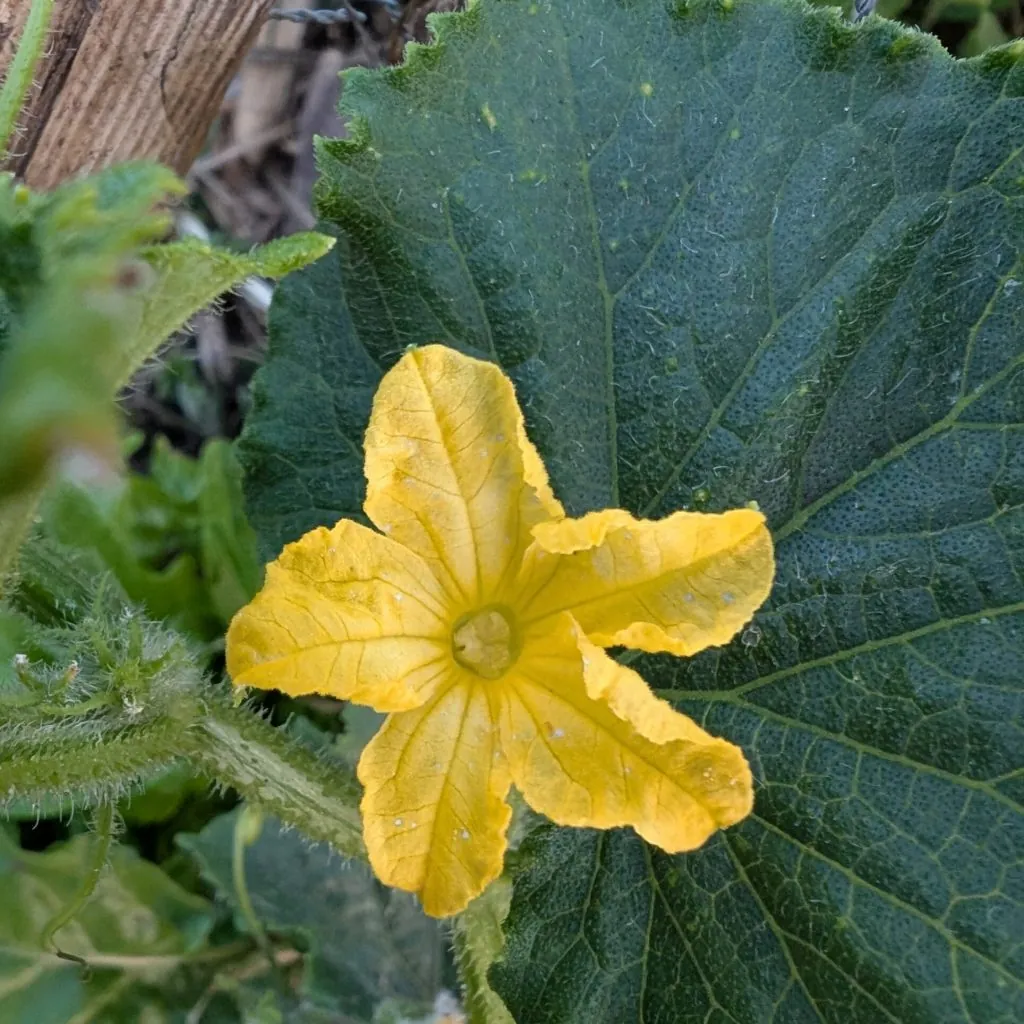
The shape and colour of Borage flowers are amazing.
Thank you again for the plant love. We truly appreciate everything.
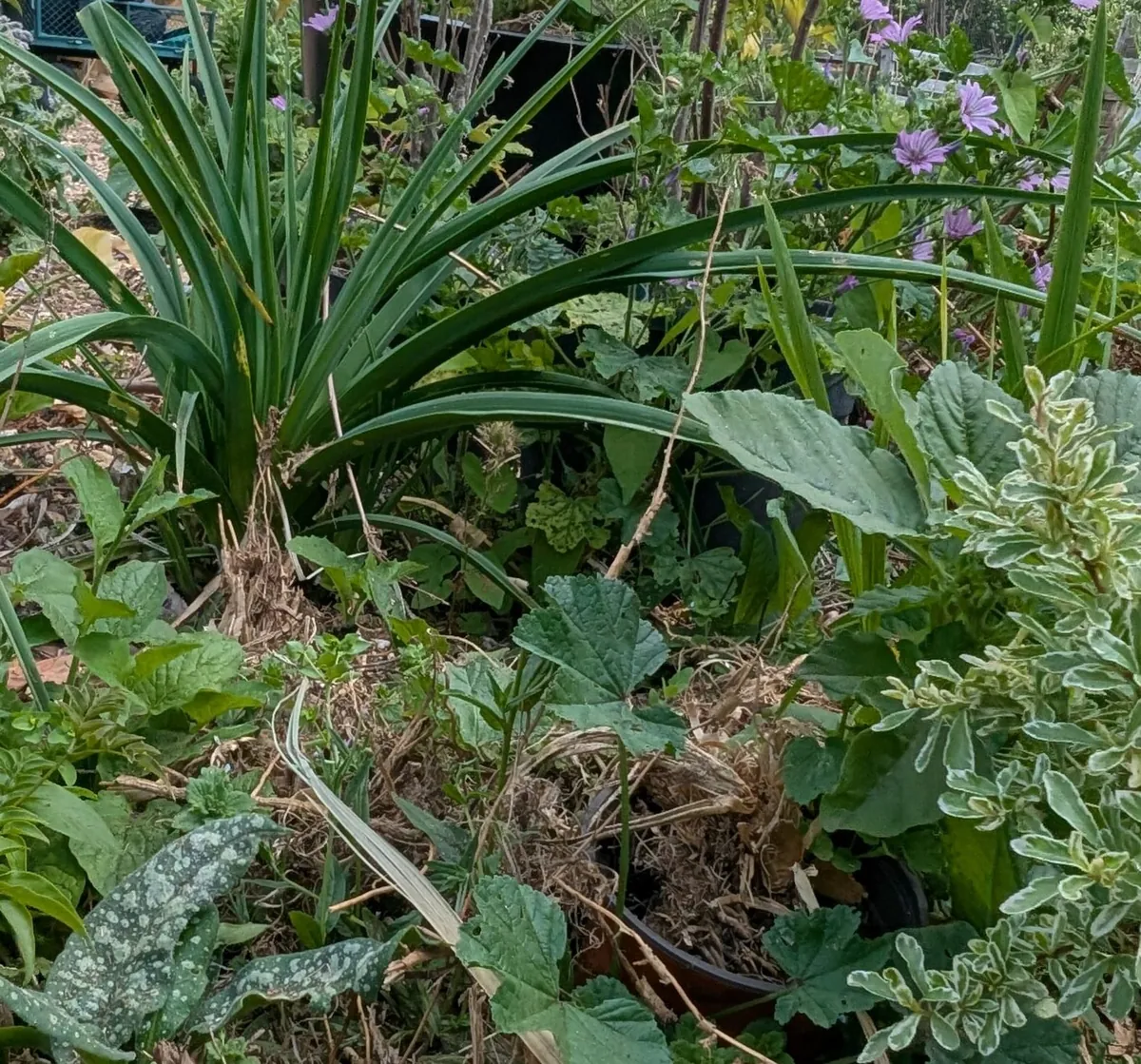
Gardening teaches patience
We love growing flowers. Many of these plants are from our private gardens. Some gardens we’ve lost either through moving from a house to a flat, or, sadly our older members leaving this temporary abode.
These plants are attached to many memories, so we had to plant them here. The plants were small and despite us growing for years, it felt like they would not fill up the space any time soon.
It was hot, we sat down borrowing a tiny bit of shade from a other plot, and it’s the first time we realised these flowers are growing, slowly, but they are. It’s a bit of an experimental area with mulch and pampas grass mulch does look messy, but we want to see how it evolved over time, how it fills out once the plants multiply. Keep your eyes peeled.
And lastly…
Our botanical trips are back!
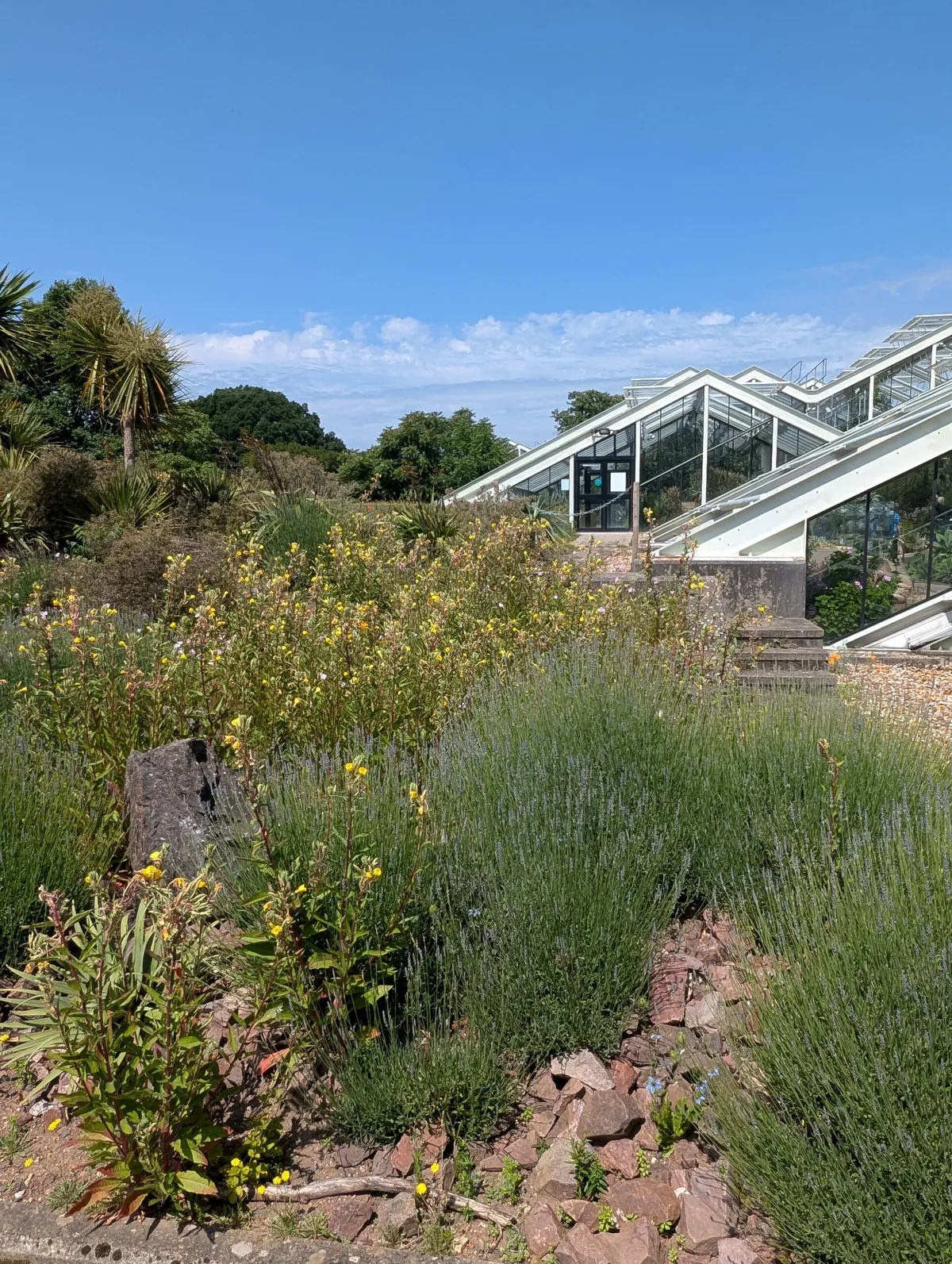
We had a long overdue trip to Kew Gardens, delayed from winter as so many people were really really ill. We were able to provide free trips for our members, not only to Kew Gardens but other botanical locations. We’ve also increased our wellbeing walks, mapping out new paths around Waltham Forest, and focusing a lot on walks suitable for those who struggle with longer walks. We want to thank our community for giving us the chance to figure things out, to push ourselves and think more than beyond our own selves.
Being part of this community group has given us a space to focus on things away from the the daily stress, cost of living, the darkness that is around the world. A space where we can connect with others and not feel so crazy or alone. A place that pushes us to get up and get some fresh air rather than being preoccupied with thoughts that are really heavy on us. We can make small positive changes and be a support for one another just by turning up.
Let us know how your plants are getting on. We love hearing about them! 🌱
Natural Gardeners
Not just a a gardening club, but a community lifestyle group 💚