We Are the Under-Represented
There's a question we hear a lot from the local gardening community: "You're so well integrated, but how do you reach so many people?"
How it started
The Natural Gardeners Club grew very naturally, in every sense. We were a few local residents who had no idea how to grow our own food.
Some of us were born and raised here. At school, people of every background were together under one roof (integration is a whole other conversation). But as adults, it felt like we all drifted back into our own communities, or even became isolated, despite living in such a diverse area.
The gardening world turned out to be wonderfully friendly. Nobody looked down on anyone or judged anyone. There was only positive conversation, no negative competition, and it felt peaceful. No wonder we got hooked, long before social media made it trendy. It was clearly good for our mental health too.
Once our children were a bit more independent, we started going to workshops and events again. Some were amazing. Others, we found, weren't welcoming places for people of colour. Later still, we joined the private allotment world, and under its leadership everything we loved about gardening simply wasn't there.
Over time, more and more people came to us with their own stories from across the area. We stopped being shocked. We were just disappointed.
Two different conversations
At times it has felt like living a double life. With our members, many of whom were mainly British White, we had a wonderful community.
Outside of that, in meetings with local organisations who want to drive change for marginalised communities, the conversation was very different. We heard of unfortunate events, being looked down upon, nothing we had experienced.
That's when we realised how important it is for us to be in this space. All we thought we were doing was learning to grow organically with the community and passing that on to people who are new to it.
What others have seen in recent years is a community group founded by a person of colour: breaking barriers, offering a safe space, and ticking boxes others can't. We had no idea. People of colour generally don't think about these things. We see ourselves as people with normal interests, plus a lot of barriers we're expected to cope with.
We were actually taught what "BPOC" means (it replaced "BAME"). A clue: Black, Person of Colour. And what does the ME in BAME stand for? Majority Ethnic? Something else? We didn't know these terms, but they're what funders mostly use. The funny part: when we applied to a local funder, the person going through our application asked us what BPOC meant, and she is BPOC herself. It just shows how much we generally don't pay attention to terms, and how funders do (to make sure they reach those who need it, a good thing).
Why we understand
So who are we, and why do we understand the needs the Government and local councils list? Because we come from those marginalised and under-represented communities ourselves.
We still go to workshops and events, speaking on behalf of the BPOC folk who have really invested in this project in recent times. Too often the needs aren't met. It becomes a tick-box exercise to reach numbers, and people leave feeling empty and let down after giving up hours of their time. We know how much work goes on behind the scenes to prepare a workshop, and it's no joke, so we're not undervaluing that.
We won't list what we've seen and heard at sessions elsewhere (not everywhere, not always), but we've been told countless times that people are looking for safe spaces. It's a phrase we hear a lot.
What does it mean to feel safe?
- Not being judged.
- Not being treated unfairly compared to the people around you.
- Not being seen as a foreigner when you were born and bred in the UK, even locally.
We may not have everything, but we do have a loving heart for every one of our members. We are from these communities. It was only well into adulthood that we saw what our true potential was, what accessible services are out there, and that there are many routes to success, not just the one road that was constantly drilled into us.
A question for funders
We know what marginalised communities need. We may not have the funds to make big changes quickly, but we're working on it. We may not have every skill we need to move as fast as better-resourced groups, so we'll go at the pace in front of us.
So here's our question. When funders and sponsors write in their terms and conditions that they're looking for marginalised groups, are they ready to accept that it isn't a simple or quick process, and that ongoing support is what helps under-represented groups reach a level playing field?
Either way, we're here.
Building a community is about being normal: being kind, laughing together, and not treating rules and regulations as one-size-fits-all. See the struggles of someone who is trying, whether that's a disability, a short-term illness or not having the money, and adapt to them, instead of expecting them to be like someone with good health and resources.
Plenty of organisations talk about change for the under-represented. More action is needed.
What's happening now
We're very pleased that this year, a number of organisations and the council do understand what it takes to make positive change. They've chosen to work with us, so, we've been able to offer many more free, accessible workshops for local residents across several subject areas. It brings us joy and puts a smile on every face.
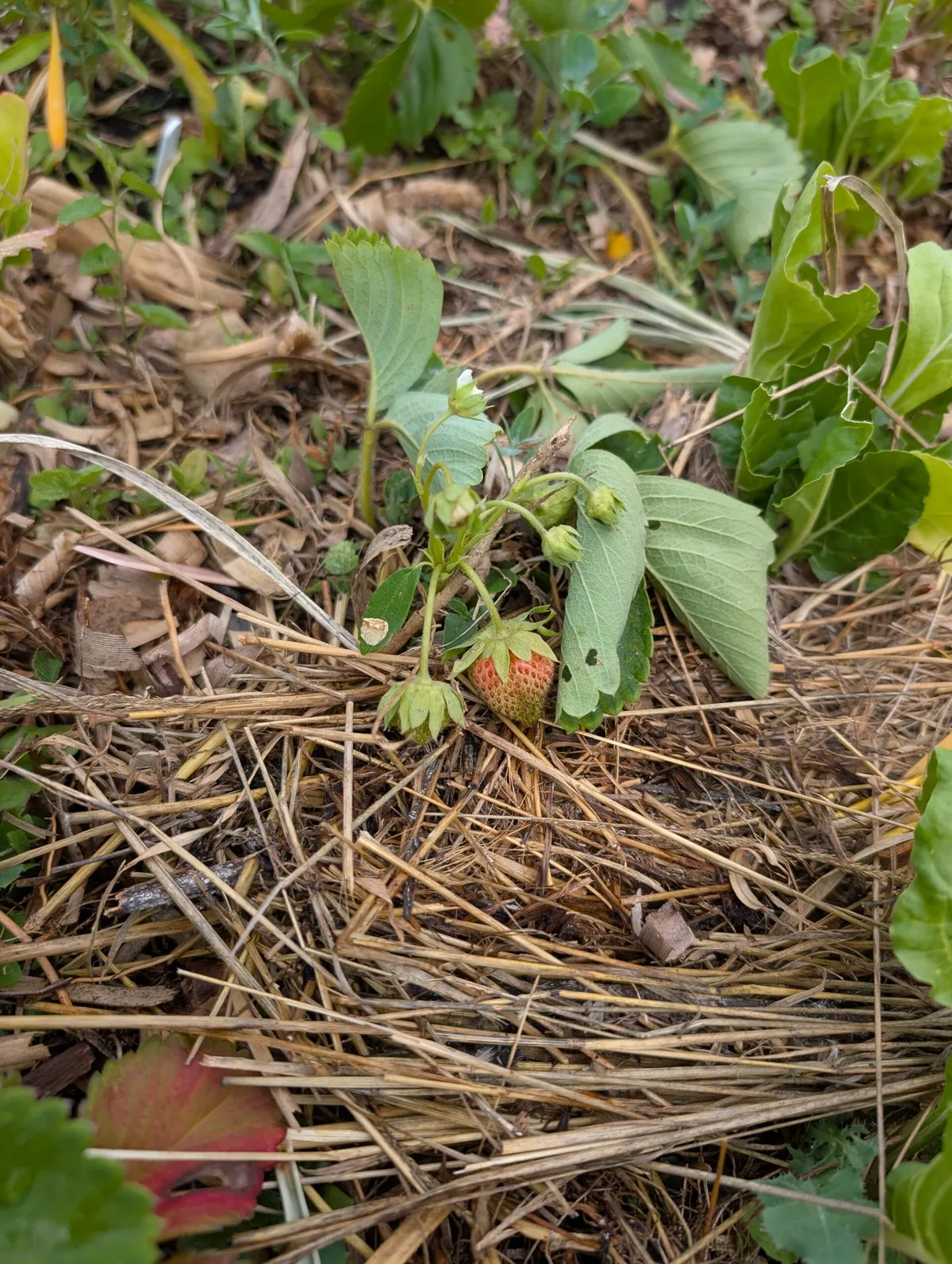
Last weekend we ran two full days of workshops, for the young and for our seniors. Our newest members from the Conversation Club (for migrants, funded by Waltham Forest Council) carried on with their gardening sessions. We also held a growing and botanical painting workshop for children and their parents or guardians. We planted strawberries for the children to take home, and spent hours learning what comes after the seedlings appear, and how different plants need different soil mixes and watering.
More carpentry and sewing workshops are coming soon. We're not just a gardening club, it's about a whole way of life. You can register your interest in sewing, or get in touch to hear about new sessions first. We hope to see you soon!